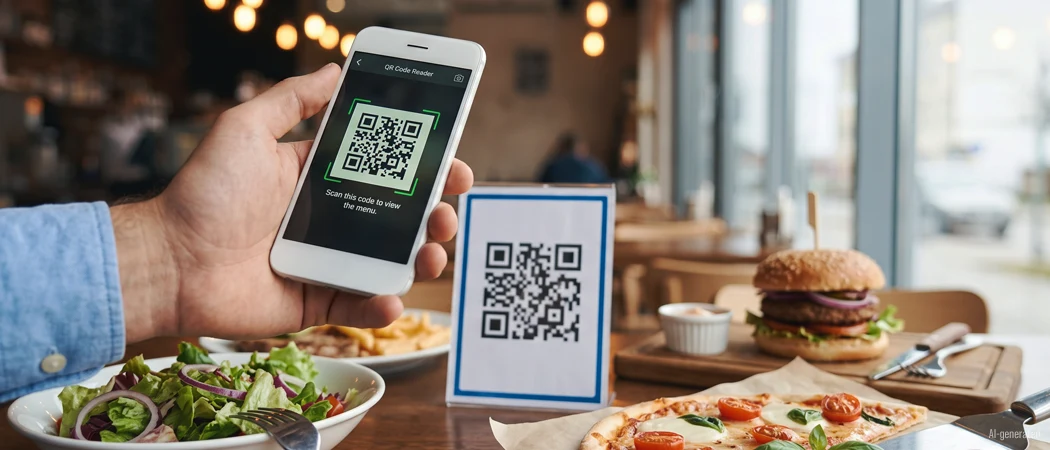
In short: Five benefits guests notice immediately: no app download, always current prices, more room for descriptions and allergens, hygiene on their own device, and shorter waiting times. The QR code speeds up the process without anything to install. The first beneficiary is the guest — and every menu change costs no reprint.
QR codes in restaurants — that initially sounds like technology, change, and effort. But the real beneficiaries are your guests. Once someone has scanned a code with their smartphone and opened the menu in their browser, they often don't want to go back to the paper version. Here are five benefits your guests will feel immediately — and that lead to greater satisfaction at the table.
1. No App, No Download — Instantly Ready
The most common objection to digital solutions is: "Do I have to install an app for this?" With QR codes, the answer is no. The guest opens their smartphone's camera app, holds it over the code, and the menu opens in the browser. That's it. No download, no registration, no privacy policy to accept. Anyone who can scan — and nowadays nearly everyone can — can use the digital menu.
This low barrier is crucial: the hesitation to install an app is high. The hesitation to scan a code is minimal. That's exactly what makes QR codes so successful in restaurants: the technology is invisible, the result is instantly visible.
2. Always Up to Date — No More Crooked Stickers
Every guest knows the scene: a price sticker is stuck crookedly over the old price on the menu. The new seasonal dish is scribbled in by hand at the edge. The prices don't match the bill. Such moments look unprofessional — and undermine trust in the establishment.
With a digital menu, this problem is a thing of the past. When a price changes, a dish is discontinued, or a new seasonal menu is added, you update the PDF — and every guest immediately sees the current version. No stickers, no handwritten notes, no confusion at the register.
For the guest, this means: what they see is accurate. Prices, allergens, availability — everything is consistent and correct. This builds trust and prevents unpleasant surprises at checkout.
3. More Information per Dish — Without Space Constraints
A printed menu is limited — by the paper format, by the font size, by the number of pages. Every detail that gets added takes up space. The result: descriptions are cut short, allergens are missing, images are nonexistent.
The digital menu doesn't have this limitation. You can give each dish a detailed description, display allergens and nutritional information, and even add images. The guest gets exactly the information they need — without the menu becoming cluttered.
Dishes can be supplemented with ingredients, origin, and preparation methods. Vegetarian, vegan, or gluten-free options can be labeled directly. For guests with allergies or intolerances, this is a tremendous added value — they no longer have to ask, they see it immediately.
4. Hygienic and Contactless
Since the pandemic, awareness of hygiene in the hospitality industry has increased. Printed menus are touched by dozens of guests every day — they are one of the most frequently shared surfaces in a restaurant. Even though concerns about viruses have subsided, the contactless option remains more pleasant for many guests.
The QR code on the table solves this elegantly: the guest uses their own device, which no one else has handled. The menu is clean, current, and personal. For restaurant owners, this means less logistical effort in disinfecting and replacing menus — and for guests, a clean, secure feeling.
5. Faster at the Table — Less Waiting Time
Imagine: a guest sits down, the menu is on the table, they scan the QR code and start reading immediately. No waiting for staff to bring the menu. No waiting for the menu to come back from the neighboring table. The menu is available from the very first second.
For the kitchen, this often means faster orders — and for the guest, shorter waiting times. During peak hours, when staff are already under pressure, the digital menu relieves the team: guests help themselves to the information they need. Staff can focus on what matters — recommendations, orders, service.
Conclusion: The Guest Benefits First
QR codes in restaurants — powered by tools like menuQR — are not technology for its own sake. They solve concrete problems that guests experience every day: outdated prices, lack of information, long wait times, hygiene concerns. As a restaurant owner, recognizing these benefits and offering them to your guests creates a better guest experience — while simultaneously benefiting from less effort and greater currency. It's one of the simplest measures with the greatest tangible impact that a restaurant can implement today.